Stainless Steel Wire Rope Standards: A Practical Buyer Guide
Stainless steel wire rope looks simple from the outside, but a reliable order depends on several linked specifications: raw wire, strand, rope core, rope construction, lay direction, diameter tolerance, surface condition and final packaging. Standards help buyers turn these details into measurable purchase requirements.
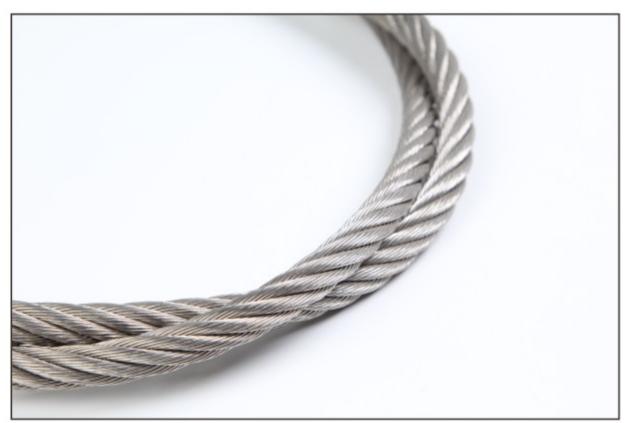
Core Standards for Stainless Steel Wire Rope Orders
| Standard | Scope | Buyer Use |
|---|---|---|
| GB/T 9944-2015 | Stainless steel wire rope | Main reference for rope structure, diameter and inspection. |
| GB/T 25821-2010 | Stainless steel strand | Useful for stay cables, tie rods and tension members. |
| GB/T 8918-2006 | Steel wire ropes for important purposes | Applied when reliability and load control are critical. |
| GB/T 4240-2019 | Stainless steel wire | Controls raw wire quality before stranding and rope closing. |
From Wire to Strand to Rope Core
A rope order should define more than diameter. Raw wire quality affects tensile strength and corrosion resistance. Strand formation affects flexibility and fatigue life. The rope core affects stability under load, while lay direction affects installation and compatibility with sheaves, drums and fittings.
For export projects, we usually confirm grade, diameter, construction, lay direction, length, spool type, surface finish, packaging and label requirements before production or shipment.
Need a standards-based quote? Send diameter, structure, length and application data to our team.
Choosing Rope Structures
- 1x7 and 1x19: stiff strand constructions for stays, tension members and straight-line support.
- 7x7: balanced flexibility and strength for guardrails, safety protection and standing rigging.
- 7x19: high flexibility for control cables, running rigging and repeated bending.
- 6x19 and 6x36: common options for lifting, traction and machinery applications where abrasion and fatigue resistance must be reviewed together.
Inspection Points Before Shipment
Practical inspection includes diameter measurement, broken wire review, lay direction check, surface condition, spool winding, package protection, label content and batch traceability. For coated ropes, coating continuity and adhesion should also be checked.
Storage and handling matter as well. Wire ropes should be kept dry, lifted carefully from the spool, unwound in the correct direction and clamped with suitable fittings. Incorrect unwinding or clamp installation can reduce service life before the product reaches the jobsite.
Application Fields
Stainless steel wire rope and strand are used in automotive components, medical equipment, engineering projects, machinery assemblies, marine environments, new energy systems and safety protection. The best specification depends on the environment, load, bending cycle, corrosion exposure and inspection interval.
Specify Wire Rope with the Right Standard
Cinray Metal can help match GB/T, ASTM, EN and project requirements to the right stainless steel wire rope or finished stay.
View Wire Rope Products